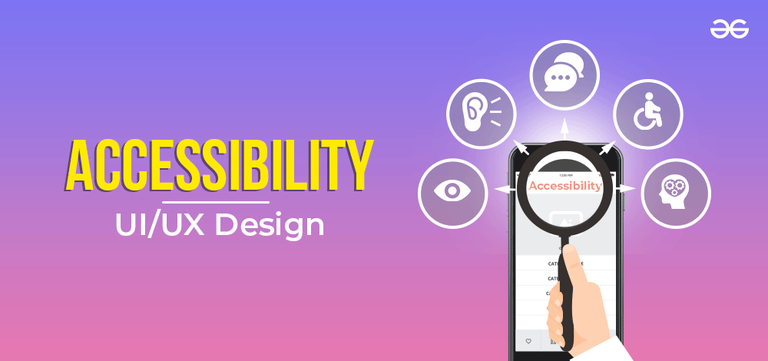
When you visit a website, you usually know pretty quickly if it works for you or not. Maybe it’s easy to navigate, or maybe it’s confusing and you leave after five seconds. That experience comes down to usability and accessibility. These two ideas play a huge role in how successful a website is. Usability focuses on how easy a site is to use, while accessibility makes sure everyone including people with disabilities can actually access and interact with the content. Together, they help create websites that are welcoming, effective, and inclusive.
What Is Usability?
Usability is all about how user-friendly a website is. A usable website is simple, organized, and intuitive. Users shouldn’t have to guess where to click or struggle to find information. Things like clear navigation menus, readable fonts, and logical page layouts all improve usability. When a website is easy to use, people are more likely to stay longer, explore more pages, and come back again.
What Is Accessibility?
Accessibility focuses on making sure people of all abilities can use a website. This includes users who rely on screen readers, keyboard navigation, or other assistive technologies. Accessibility can be improved by adding alternative text to images, using strong color contrast, including captions on videos, and making sure content can be accessed without a mouse. Accessibility isn’t just helpful for people with disabilities it improves the experience for everyone.
Why Usability and Accessibility Matter
Usability and accessibility matter because they directly impact who can use your website and how they feel while using it. If a website is confusing or inaccessible, users will leave. On the other hand, when a site is easy to navigate and inclusive, it builds trust and keeps users engaged. From a marketing perspective, better usability and accessibility can also improve SEO, increase traffic, and strengthen a brand’s reputation.
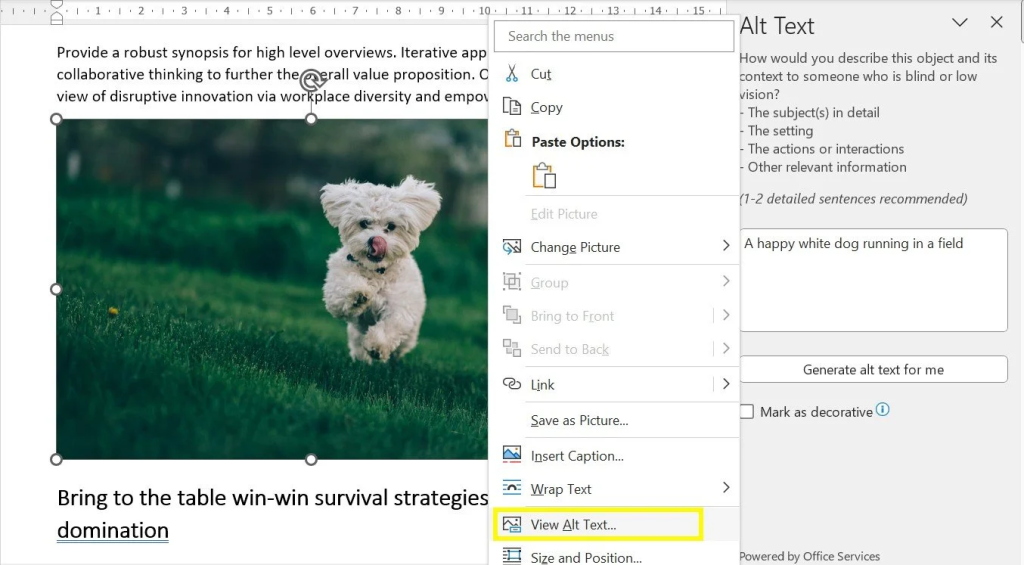
Example of Accessibility in Design
Image: Dog Running in a field
Alt Text: A happy Dog Running in a field
Using images with clear alternative text allows screen readers to describe visuals to users who can’t see them, making the content more inclusive.
Keyword Focus
This blog uses keywords such as website usability, web accessibility, user-friendly design, and accessible websites to help improve search visibility and reach a wider audience.
Conclusion
Usability and accessibility are essential parts of good web design. A website should be easy to use and accessible to everyone, no matter their abilities. By focusing on clear design, inclusive features, and user needs, websites can create better experiences and reach more people. Designing with usability and accessibility in mind isn’t just good practiceit’s the right thing to do.
Sources:
Web Accessibility: Essential Guidelines for Creating Inclusive Websites | Clay
Accessibility, Usability, and Inclusion | Web Accessibility Initiative (WAI) | W3C